
From 31 December 2026
Halophosphate tubes, the older type, along with halophosphate U-bend and circular lamps, compact fluorescents over 30 W, and plug-in compact fluorescents with a separate ballast.
Free, no-obligation quote · Brisbane, SEQ and Melbourne



Trusted by organisations including



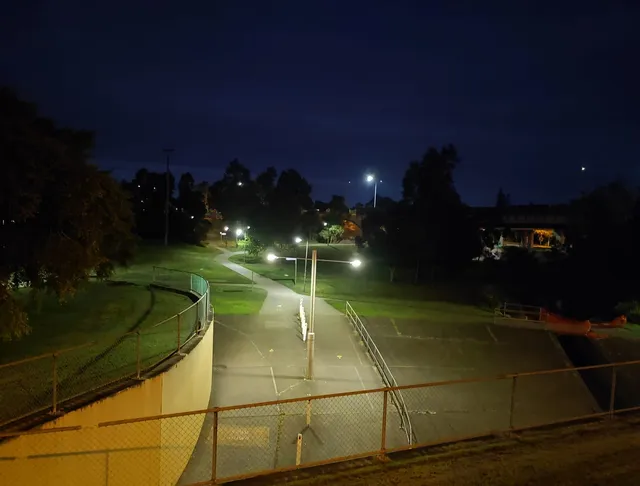 Recent job · Brisbane City Council Norman Creek bikeway lighting Flood repairs to the lighting along the Norman Creek bikeway after a major flood, getting the path lit and safe to use again. See more projects
Australia is phasing out mercury-containing lamps under the Minamata Convention on Mercury. Each date below is when that type of lamp can no longer be made, imported or exported here.
The phase-out covers making and importing lamps, not using them. Lights already installed can stay, but replacement tubes will get harder to find as stock runs out.
Halophosphate tubes, the older type, along with halophosphate U-bend and circular lamps, compact fluorescents over 30 W, and plug-in compact fluorescents with a separate ballast.
All remaining fluorescent tubes: triband T5 and T8 tubes, and triband U-bend and circular lamps.
Check the code printed on the tube. Codes starting with 8, such as 840 or 865, usually mean triband (end of 2027). Codes starting with 6 or 7, or older two-digit codes like 33, usually mean halophosphate (end of 2026).
LED battens and panels, from brands including Austep, replace the whole fitting, ballast and all. It's usually the cleanest option, with no old parts left to fail.
Where a fitting is in good condition, LED tubes can go in instead. Some need the fitting rewired to bypass the ballast, which is electrical work for a licensed electrician.
Add motion sensors or dimming, and start with the areas where lights run longest, such as car parks, warehouses and corridors.
We walk your site, check the fittings and tube types, and note how long each area's lights run.
You get the options for each area, with costs, expected savings and payback, so you can decide what's worth doing now.
Our electricians install the new lighting around your operating hours, in stages if that suits.
You get a record of what was installed where, for your maintenance and energy reporting.
Tell us about your site and roughly how many fluorescent fittings you have. We'll book a free basic audit and talk you through the options.
Tell us what you need and how to reach you. We reply within one business day.
Give have quickly become a key electrical contractor for our Melbourne sites, providing reputable services while also having the advantage of being a Social Enterprise.
Kate Campbell · Head of Procurement, Kinetic
No. The phase-out stops new fluorescent lamps being made, imported or exported. Lights already installed can stay in use, but replacement tubes will get harder to find as stock runs out.
Some types are already gone. Halophosphate tubes, halophosphate U-bend and circular lamps, and compact fluorescents over 30 W follow from 31 December 2026, and all remaining fluorescent tubes from 31 December 2027. The federal environment department's mercury page lists every category.
Sometimes. It depends on the fitting's condition and the type of LED tube. Some need the fitting rewired to bypass the ballast, which is electrical work for a licensed electrician. New LED fittings are often the better long-term option, and we'll tell you which suits each area.
It depends on your lighting, how long it runs and your tariff. Your audit shows the expected saving and payback for each area, rather than a general figure.
In Victoria, the Victorian Energy Upgrades program offers discounts on business lighting upgrades, including replacing indoor fluorescent lighting, through accredited providers. Queensland has no equivalent program.